Table of Contents
Why Most Home Theater Rooms Sound Worse After Treatment
If you’ve invested lakhs into high-end speakers and electronics—but your system still sounds muffled, harsh, or lifeless—the problem is not your equipment.
It’s your room.
Absorption panels are one of the most misunderstood elements in home cinema design. When used incorrectly, they don’t improve sound—they destroy it, creating what professionals call a “dead room.”
The Common Problem: The “Dead Room” Myth
Many enthusiasts—and even some architects—believe:
“More absorption = better sound”
So they cover entire walls with PET panels, foam, or rockwool.
This is a critical mistake.
Your brain relies on controlled reflections to understand space, depth, and immersion. When you remove too many reflections:
- The sound loses spaciousness
- The room feels unnaturally silent
- Listening becomes fatiguing over time
A great home cinema is not silent—it’s balanced.
Think of it like this:
👉 You want a controlled sound field, not an acoustically “empty” room.
What Makes Absorption Panels Truly Effective?
Absorption is not about covering walls—it’s about engineering the room’s decay and reflection behavior.
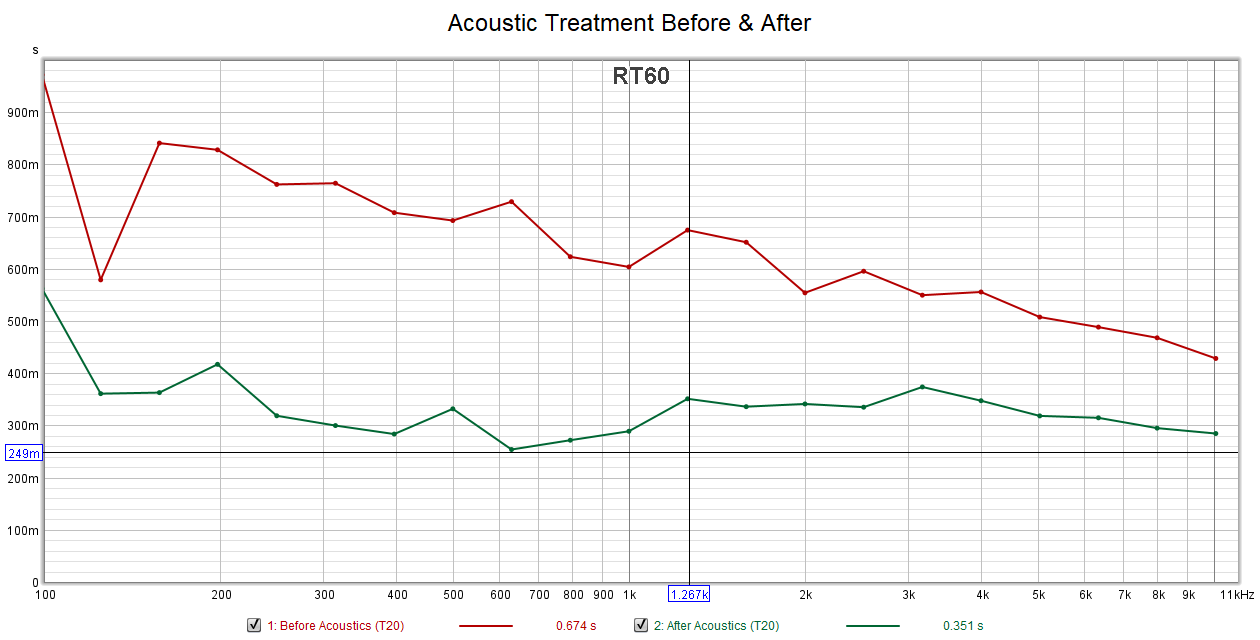
1. Coverage Is About RT60, Not Percentage
What actually matters is:
- Room size (volume)
- Surface materials
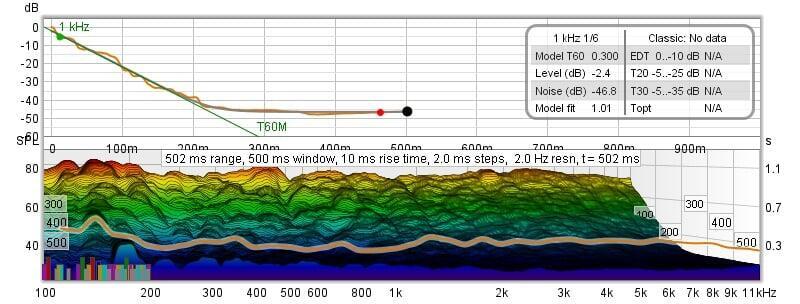
- Target reverberation time (RT60 ~0.25–0.5sec for cinemas)
👉 Good acoustics is calculated—not guessed.
2.Thickness Determines Performance
Not all panels are equal.
- 25mm (1-inch panels):
- Effective mainly above ~500–800 Hz
- Minimal impact on lower midrange
- 100mm (4-inch panels):
- Effective around ~250–400 Hz
- Much better for cinema applications
However, true low-frequency control requires:
- Air gaps behind panels
- Or specialized bass traps / pressure absorbers
3. Dialogue Clarity Is Not Just Low Frequencies
Many assume dialogue sits in 250–500 Hz.
In reality:
- Clarity & intelligibility: 1kHz – 4kHz
- Warmth/body: 200–500 Hz
Poor treatment in mid-high frequencies is what makes dialogue sound unclear—not just low-frequency issues.
4. Material & Design Matter More Than Looks
Cheap solutions like:
- Egg-crate foam
- Thin PET panels
…mainly absorb high frequencies, leaving the room unbalanced.
This leads to:
- Dull sound
- No clarity improvement
- Poor cinematic experience
High-performance panels are designed to:
- Control mid frequencies
- Preserve high-frequency energy
- Maintain natural room “air”
Expert Perspective: Placement Matters More Than Panels
Absorption panels don’t work randomly—they must be placed strategically.
First Reflection Points
- Side walls and ceiling reflections must be controlled
- This improves clarity and imaging
Ceiling: The Most Ignored Surface
Untreated ceilings:
- Collapse soundstage height
- Reduce immersion
Symmetry Is Critical
For accurate imaging:
- Left and right sides must behave similarly
- Especially near the front stage (LCR speakers)
The Science: Why Over-Absorption Fails
Your brain uses early reflections (within ~5–30ms) to:
- Determine direction
- Perceive space
This is related to the Haas (precedence) effect.
If you remove all reflections:
- Sound becomes unnatural
- Localization weakens
- Fatigue increases
👉 The goal is controlled reflections—not elimination
Engineered Acoustic Solutions by GreatSound Acoustics
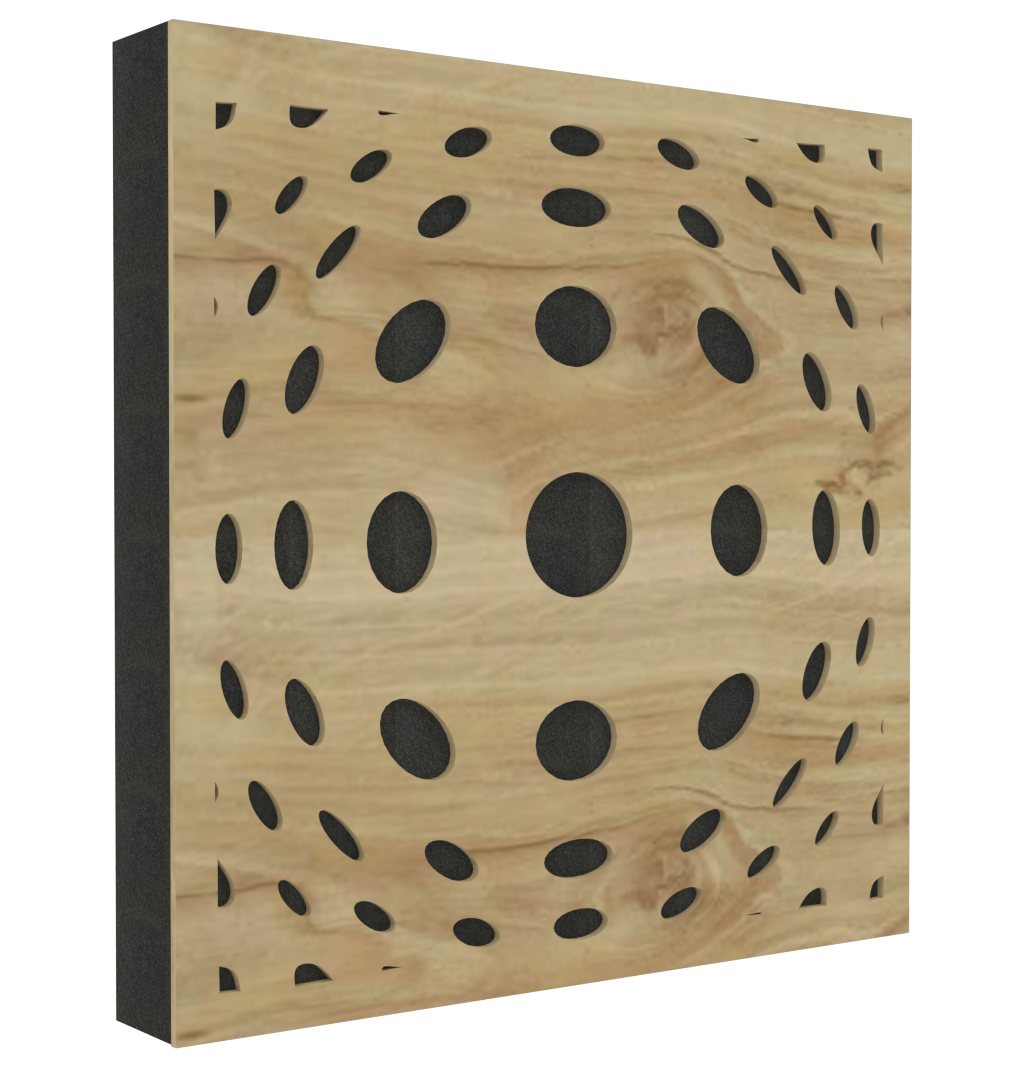
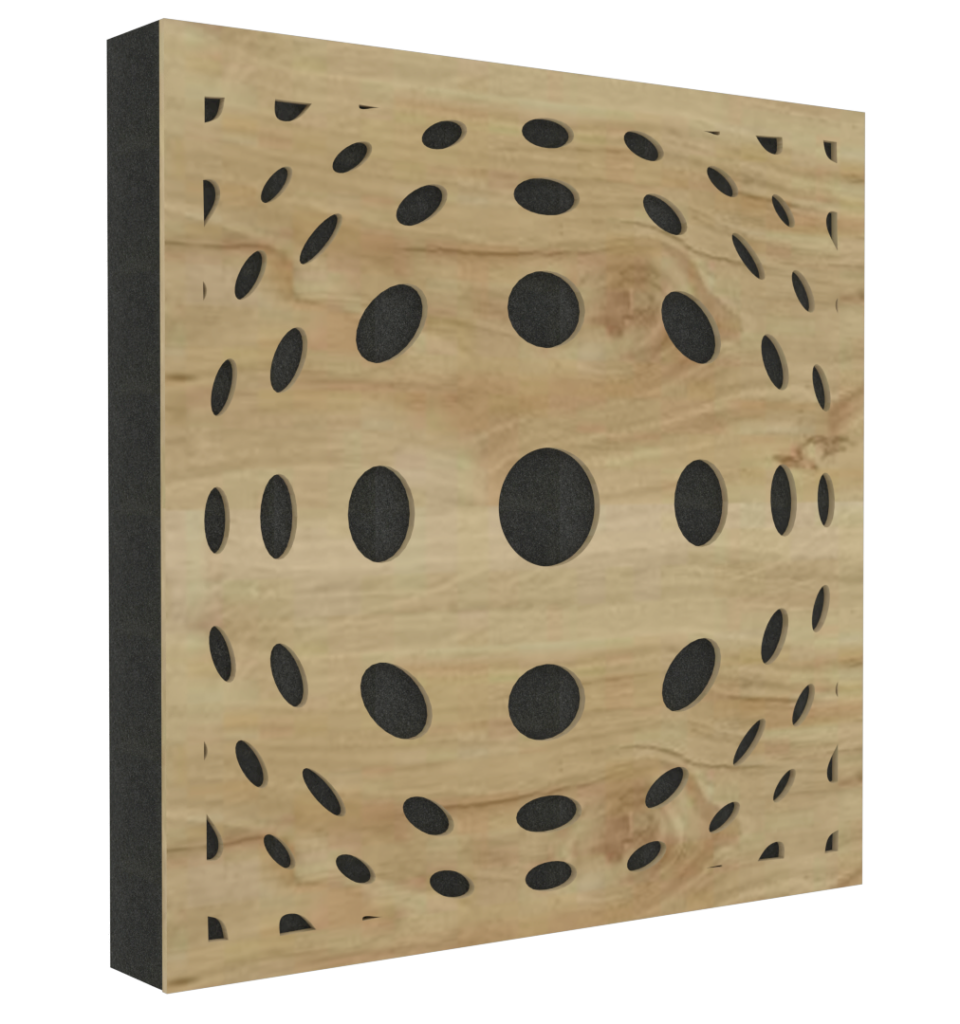
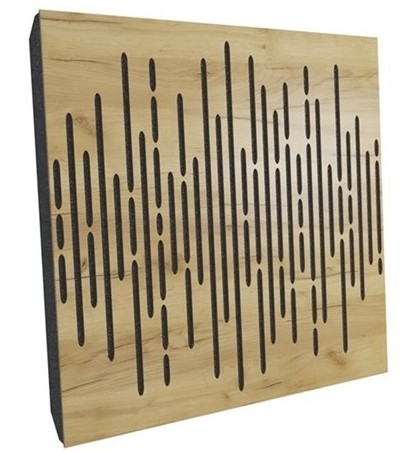
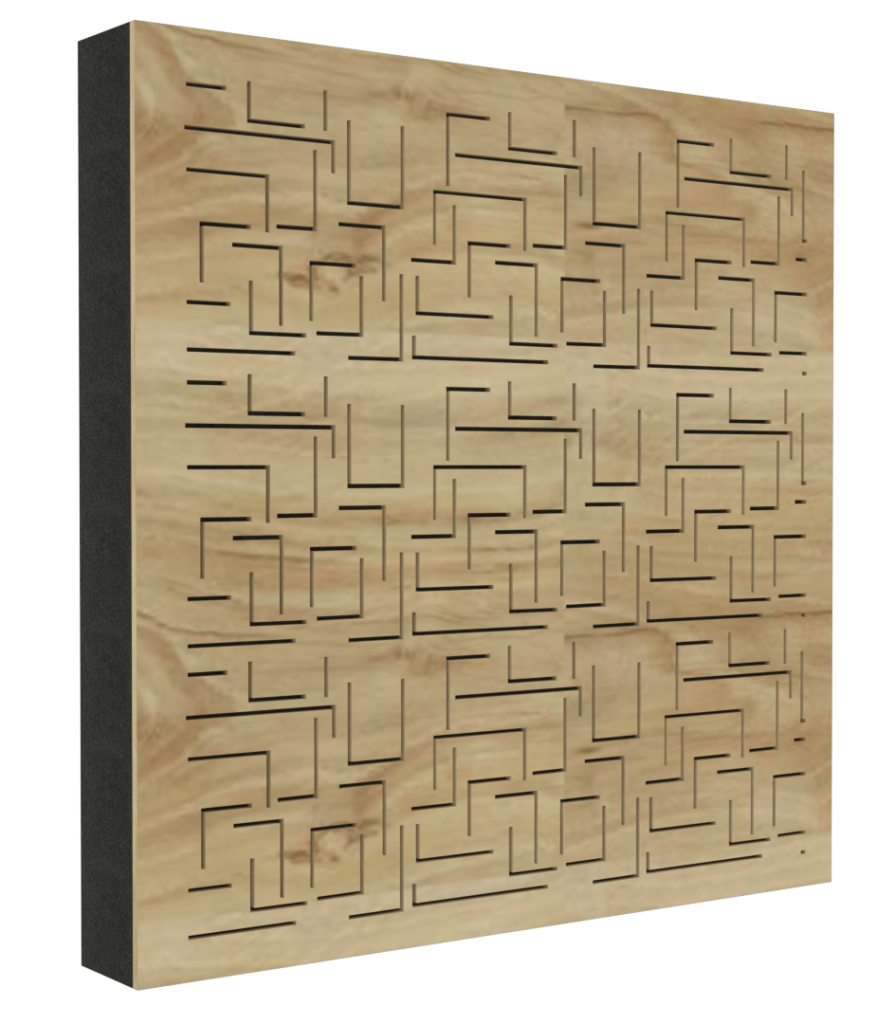
GreatSound Acoustics offers a scientifically engineered range of sound-absorbing panels designed specifically for high-performance home cinemas—not just aesthetic wall treatments. Unlike generic foam or thin PET solutions, their products such as the BigWave 80, Curve 75, BigCube 80, BigBeat 80, BigDot 80 are built to deliver controlled mid-frequency absorption while preserving natural high-frequency energy. With options that combine acoustic performance + architectural design, GreatSound panels integrate seamlessly into luxury interiors while addressing real acoustic challenges like reflections, dialogue clarity, and room decay. Whether you’re designing a dedicated theater or upgrading an existing space, these solutions are tailored for Indian conditions—offering durability, consistency, and measurable acoustic improvement.
Is It Worth It?
If your goal is High End cinema performance, acoustics is not optional.
Even the best speakers will fail in a poor room.
Because in reality:
You are not hearing your speakers—you are hearing your room.
Conclusion: System Design Over Products
A high-performance home cinema is not built by buying expensive gear.
It is built by controlling:
- Sound energy
- Reflections
- Decay
Absorption panels are not decoration—they are acoustic tools.
To understand how absorption actually impacts real-world performance, read our detailed case study on why RT60 matters in home theater acoustic treatment.
When designed correctly, they ensure:
- Clear dialogue
- Wide soundstage
- Consistent performance across seats
If you’re planning a serious home theater, focus on system design—not just speakers. Visit GreatSound Acoustics to see how our engineered panels transform spaces.
External Authority Links:
- Learn about Dolby Room Design Standards
- THX Certification and Room Acoustics
- Audio Engineering Society (AES) Research on Absorption